


Stick War: Saga
4.72.00K Reviews
App Specs
- Version
- 2026.5.6222
- Updated On
- License
- Free
- Downloads
- 10,000,000+
- Developer
- Max Games Studios
- Categories
- Strategy
- Platform
- Android, iOS
Screenshots
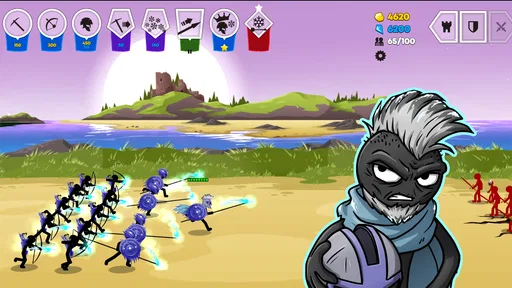
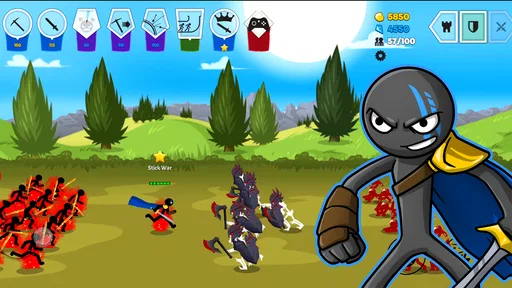
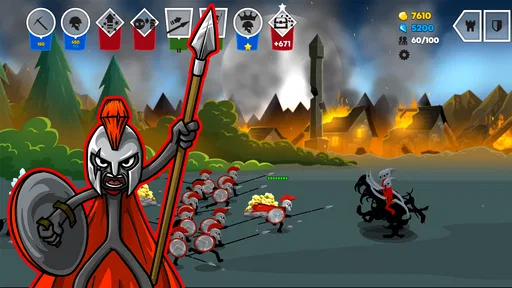
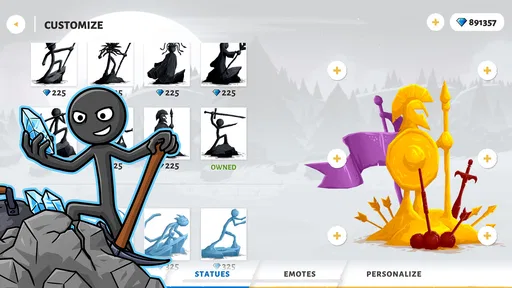
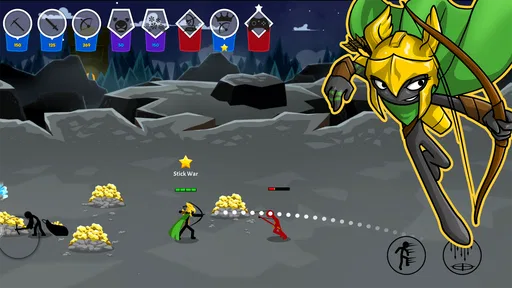
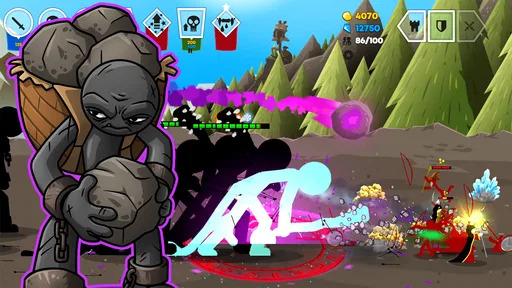
 Analysis by AppCompare
I approach Stick War: Saga as a game that rewards a little patience more than frantic tapping. It is a free strategy game from Max Games Studios, built around commanding an army and making decisions while a battle is unfolding. Its simple stick-figure look makes the action easy to read, but the choices about training units, gathering resources, and reacting to an opponent give each match more to think about than the presentation first suggests.
That makes it a good fit for players who enjoy learning through trial and adjustment. I would not pick it for someone who wants a quiet, entirely predictable puzzle, though: the multiplayer focus brings uncertainty, and a plan that worked in one fight may not hold up in the next. My best advice is to treat early matches as practice in reading the battlefield, not as a test you must win immediately.
A useful routine before the first clash
I get more from a match when I decide what I am trying to learn before it begins. That might mean watching how quickly my opponent commits to an attack, or seeing whether a small change in my unit mix helps me defend more comfortably. Keeping one question in mind makes losses more informative and stops me from changing several parts of my approach at once.
The basic loop is approachable: gather resources, train units, and respond to the opposing force. The practical challenge is balancing those jobs. Spending heavily on an army can leave less room to adapt, while waiting too long to build a force can let the other side dictate the pace. I find it useful to check the field after each important decision rather than queueing up actions without noticing what the opponent is doing.
For a short everyday session, this works well as a focused break: play a match, identify one moment where your decision mattered, then stop or try again with one adjustment. It is less suited to someone who wants every session to deliver a neat, self-contained victory. In a real-time strategy game, the outcome can turn on timing and opponent choices, so a quick loss can still be a worthwhile practice round.
Settings and habits that make play clearer
Before settling into longer play, I would take a moment to check the available settings on the device and in the game, especially sound and any control options presented there. I prefer sound effects audible enough to follow clashes and attacks without letting the music drown out the action. If I am playing somewhere noisy, lowering or muting audio is more practical; the visual motion still communicates a lot, though I may need to pay closer attention to the battlefield.
I also recommend getting comfortable with the controls in a low-pressure match before treating multiplayer as a serious contest. Real-time strategy gives you several things to manage at once, and fumbling through an unfamiliar action while an opponent advances is a needless source of frustration. A repeatable habit helps: glance at resources, check which units are available, scan the front line, and only then commit to the next move.
Worth Reading Before You Choose

Switching to Android Auto Means Rethinking Your Driving Routine

Google Calendar Makes a Crowded Week Easier to Manage

Baby Panda World Brings Quick Play to Modern Phones, but Its Game Library Feels Busy

ESPN’s Live Game View Makes Following Close Games Easier

QuizzLand Review: A Good Fit for Short Trivia Breaks, Not Every Player

Basketball Stars: Multiplayer Is Fast, but Can It Recover When Matches Go Wrong?
One useful trade-off is to avoid making every decision at maximum speed. A fast response can matter, but reacting to every movement without asking what it means can waste resources or pull attention away from a more pressing threat. I try to distinguish a genuine change in the opponent’s plan from ordinary battlefield activity, then choose whether to reinforce, defend, or keep building.
Improving without turning every match into homework
When a strategy fails, I find it more useful to review the sequence than to blame one unit. Did I spend too much before I knew what I was facing? Did I leave too little flexibility to answer a push? Did I focus on attacking while the defense needed attention? These questions turn a close loss into a practical lesson. Changing one habit at a time also makes it easier to tell whether a new approach helped.
That kind of deliberate practice is especially useful for players who want to move from casual matches toward more competitive play. Leaderboards can add a reason to keep improving, but they are not the best measure of whether a session was worthwhile. If you are still learning, the more useful result may be recognizing an opponent’s pattern sooner or making a cleaner decision under pressure.
The game’s appeal also depends on what you want from strategy. Compared with slower, turn-based games, it asks you to make choices while the battle keeps moving; that makes it more immediate, but less comfortable for players who want unlimited time to compare every option. Compared with simpler action games, its resource and army decisions provide more planning, though they also make it a poor choice if you only want to jump in and react without thinking ahead.
Where the learning curve can bite
Multiplayer is a strong reason to play, but it is also where the experience can feel least forgiving. Human opponents are harder to predict than a fixed challenge, and repeating the same opening can make it easier for you to miss what the other player is doing. If you are getting frustrated, switching to a more relaxed session or taking a break is better than spending resources on increasingly hurried decisions.
Progression and customization can make building an army feel personal, but I would treat upgrades as a way to explore different approaches rather than a guarantee of success. A more developed roster does not remove the need to manage timing and respond to pressure. Players who dislike progression systems or prefer a perfectly level, purely tactical contest may find this side of the experience less appealing.
There are in-app purchases, with individual items ranging from under a dollar to well over a hundred dollars. I would check the purchase details carefully and decide in advance whether I want to spend anything; the game is free to start, but its optional purchases are worth noticing if you are managing a budget or a child’s device. The age rating is Everyone 10+, which is useful context for families deciding whether it suits a younger player.
Engage in Strategic Battles
In Stick War: Saga, you step into the shoes of a mighty commander tasked with leading an army of stick figures to victory. What I love about this game is the depth of strategy it offers. You’re not just mindlessly tapping away; you’re planning your every move, deciding which units to train, and figuring out the best way to conquer enemies. It’s a perfect blend of strategy and excitement.
Gameplay Mechanics
The gameplay is pretty straightforward yet incredibly engaging. You start by gathering resources, which are essential for building your army. The game offers various unit types, each with unique abilities, such as archers, sword-wielders, and even mages. The challenge lies in selecting the right mix of units to counter your opponent’s strategy. It’s like chess, but with a lot more action and stick figures!
I found myself constantly adapting my strategies. One moment I’d be on the offensive, and the next, I’d need to defend against a surprise attack. The game keeps you on your toes and ensures there’s never a dull moment.
Visuals and Sound
Now, let’s talk about the visuals. Don’t let the simplicity of stick figures fool you; the animations are smooth, and the battles are surprisingly dynamic. Each clash of swords and arrow shot feels impactful, thanks to the game's effective use of sound effects. The background music also adds an epic feel to the battles, making each victory even more satisfying.
Customization and Progression
One of the features that kept me coming back was the customization and progression system. As you advance, you can upgrade your units and unlock new abilities. This sense of progression is incredibly rewarding. You can also customize your army’s appearance, which adds a personal touch to your battles. It’s a small detail, but it makes a big difference in how connected you feel to your troops.
Challenges and Achievements
If you’re someone who loves a good challenge, Stick War: Saga has got you covered. The game offers various difficulty levels and special challenges that test your strategic prowess. Completing these challenges not only earns you achievements but also boosts your bragging rights among friends.
The leaderboards are another great feature, allowing you to compare your skills with players worldwide. It’s a competitive edge that adds another layer of excitement to the game.
Multiplayer Mode
While the single-player mode is thrilling, I can’t forget to mention the multiplayer aspect. Battling it out with other players brings a whole new level of unpredictability. Each player has their own unique strategy, and adapting to that in real-time is both challenging and exhilarating. It’s a great way to test your skills against real opponents and see how you measure up.
For a newcomer, I would start with the easier challenges and use them to learn how different units behave before relying on one favorite lineup. A useful experiment is to change only one part of an army between attempts: if the result improves, you have a clearer idea of why. This is more dependable than copying a successful-looking approach without understanding when it works.
For experienced players, the most valuable habit is to keep a flexible plan rather than memorizing a single sequence. A familiar opening can save time, but the moment an opponent responds differently, the rest of the match needs fresh judgment. I try to treat an opening as a starting point, then reassess after seeing the first meaningful pressure. That keeps preparation useful without turning it into autopilot.
The presentation helps with that learning process. Since the figures are visually simple, I can follow the broad shape of a fight without needing elaborate graphics to explain what is happening. The trade-off is that the screen can still feel busy when several units engage at once. In those moments, I find it better to focus on the immediate threat and the next decision instead of trying to monitor every clash equally.
Who will enjoy this kind of strategy
I would recommend it to someone who likes compact army-management decisions, wants to test ideas against other people, and does not mind losing while learning. It can also suit a player who enjoys returning to a game in short bursts, because each match gives a clear chance to try a different response. If you prefer a long campaign with a carefully paced narrative, or a slow board-game style where you can study every move before acting, another strategy game may be a better fit.
It is also worth thinking about the setting in which you play. A quick match during a commute or between tasks can be enjoyable, but interruptions make real-time decisions harder and can turn a promising game into a frustrating one. I would save competitive play for a moment when I can give the screen my attention, and use a lower-pressure challenge when I only have time to experiment.
Stick War: Saga has drawn a substantial audience, with over ten million installs and an average rating of 4.6 from around a hundred thousand ratings. It was released on March 1, 2024, and the current version is 2026.5.2752, with Android 7.0 or later required. Those details make it easy to check basic compatibility before installing, while the Everyone 10+ rating and optional purchases help families decide whether to set boundaries before play begins.
One question people often have is whether it is worth trying without spending. Since the game is free, you can begin without paying, but purchases are available; I would not assume that buying something is necessary to understand the core appeal. Another practical question is whether it is suitable for a complete strategy newcomer. I think it is approachable if you are willing to learn by doing, though someone who dislikes real-time pressure should start cautiously or choose a slower alternative.
Max Games Studios has made a game that is easy to recognize and harder to master than its minimal art might suggest. I like that the central challenge is not just assembling an army, but deciding when to build, when to respond, and when to change course. My main reservation is the same quality that makes multiplayer engaging: opponents can make a match unpredictable, and that will not suit everyone.
Final Thoughts
All in all, Stick War: Saga is a fantastic choice for strategy enthusiasts. Its engaging gameplay, coupled with the strategic depth and customization options, makes it a standout title in the genre. Whether you’re a seasoned strategist or a newcomer looking for an exciting challenge, this game has something to offer.
So, if you’re ready to lead your stick figure army to victory, give Stick War: Saga a try. Trust me, once you start, you’ll find it hard to put down. Happy strategizing!
Pros
- Engaging gameplay keeps you hooked for hours.
- Intuitive controls make it easy to play.
- Diverse unit types offer strategic depth.
- Regular updates with new content.
- Offline mode available for on-the-go play.
Cons
- Occasional in-app purchases can be pricey.
- Graphics are somewhat dated.
- Can be repetitive after long sessions.
- Ads can interrupt gameplay experience.
- Difficulty spikes may frustrate some players.
FAQs for Stick War: Saga
What is Stick War: Saga about?
Stick War: Saga is a strategic, real-time game where players command stick-figure armies to conquer territories and defeat opponents. The game combines elements of resource management, unit creation, and tactical battles, requiring players to build their empire by controlling different types of units, each with unique abilities and strengths.
Is Stick War: Saga available on both Android and iOS?
Yes, Stick War: Saga is available for download on both Android and iOS platforms. Users can find it on the Google Play Store for Android devices and the Apple App Store for iOS devices. The game is free to download, with optional in-app purchases available for enhanced gameplay.
What are the main features of Stick War: Saga?
Stick War: Saga features a variety of game modes, including campaign, endless survival, and tournament modes. Players can enjoy real-time strategy battles, customize their armies, and unlock new units and upgrades. The game also offers a unique art style, engaging storylines, and competitive leaderboards to enhance the gaming experience.
Are there any in-app purchases in Stick War: Saga?
Yes, Stick War: Saga includes in-app purchases. While the game itself is free to download, players can choose to purchase additional resources, skins, and other upgrades to enhance their gameplay. However, these purchases are optional, and players can enjoy the game fully without spending money.
Does Stick War: Saga require an internet connection to play?
Stick War: Saga can be played offline without an internet connection, allowing players to enjoy the game anywhere and anytime. However, an internet connection is required for certain features such as updates, in-app purchases, and accessing the leaderboard to compete with other players globally.


